
Embark on a thrilling journey with Snow sports adventure travel as we explore the adrenaline-pumping world of snow sports in breathtaking destinations. From skiing to snowboarding, gear up for an adventure like no other.
Discover the must-have equipment, safety measures, and the essence of adventure travel in this captivating exploration of snowy escapades.
Snow Sports Adventure Travel
Snow sports adventure travel combines the thrill of adrenaline-pumping winter sports with the excitement of exploring new destinations in snowy landscapes. It offers a unique opportunity for outdoor enthusiasts to challenge themselves physically and mentally while enjoying the beauty of snow-covered mountains and valleys.The appeal of snow sports adventure travel to adrenaline junkies lies in the adrenaline rush that comes from participating in high-intensity activities such as skiing, snowboarding, snowmobiling, ice climbing, and more in challenging terrain.
The sense of adventure and the opportunity to push personal limits make it an exhilarating experience for those seeking an adrenaline-fueled getaway.
Popular Destinations for Snow Sports Adventure Travel
- Whistler, Canada: Known for its world-class ski resorts and diverse terrain, Whistler offers a wide range of snow sports activities for all skill levels.
- Chamonix, France: Home to the famous Mont Blanc, Chamonix is a mecca for extreme skiers and snowboarders looking for steep slopes and off-piste adventures.
- Niseko, Japan: Renowned for its deep powder snow and vibrant apres-ski scene, Niseko is a favorite destination for snow sports enthusiasts from around the world.
- Queenstown, New Zealand: With its stunning alpine scenery and adventurous spirit, Queenstown is a hub for snow sports adventure activities such as heli-skiing, snowmobile tours, and ice climbing.
Types of Snow Sports
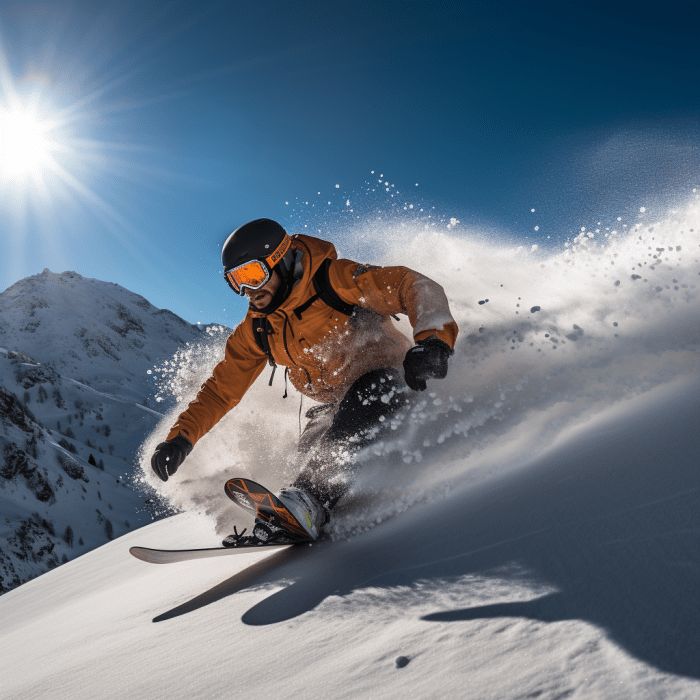
Snow sports offer a wide range of activities that cater to different preferences and skill levels. Whether you prefer the rush of speed or the thrill of navigating through powder, there is a snow sport for everyone. Let’s explore some of the most popular types of snow sports suitable for adventure travel.
Skiing
Skiing is a classic snow sport that involves gliding down snowy slopes using a pair of skis attached to boots. It requires a combination of balance, coordination, and technique to navigate various terrains. Skiing is popular among adventure travelers for its versatility, offering opportunities for both beginners and advanced skiers to explore challenging slopes and backcountry terrain.
Snowboarding
Snowboarding is another popular snow sport that involves riding a single board down slopes covered in snow. Unlike skiing, snowboarding requires a sideways stance and different techniques for turning and stopping. Snowboarding is known for its freestyle elements, such as jumps and tricks, making it a favorite among adrenaline seekers looking to push their limits on the mountain.
Snowmobiling
Snowmobiling is a motorized snow sport that involves riding a snowmobile or sled across snowy landscapes. It offers a thrilling experience as riders speed through open fields, forests, and trails, exploring vast areas that may be inaccessible by other means. Snowmobiling is perfect for adventure travelers looking for a fast-paced and exhilarating way to explore the winter wilderness.
Skill Levels for Snow Sports Adventures
When embarking on snow sports adventures, it is essential to consider the skill levels required for each activity. Beginner-friendly snow sports such as skiing and snowboarding typically offer lessons and guided tours for those new to the sport. As you progress in skill level, you can explore more challenging terrain and off-piste adventures. Snowmobiling, on the other hand, may require some prior experience or training to safely operate the vehicle and navigate different types of snow conditions.
Essential Gear and Equipment
When embarking on a snow sports adventure travel, having the right gear and equipment is essential for both performance and safety. Proper clothing and protective gear are crucial in snowy conditions to keep you warm, dry, and protected from the elements. Whether you are skiing, snowboarding, or engaging in other snow sports, having the right gear can make a significant difference in your overall experience.
Must-Have Gear and Equipment
- Skis or snowboard: Depending on your preference, make sure to have the appropriate equipment for your chosen snow sport.
- Boots: Invest in high-quality boots that provide comfort and support for your feet.
- Helmet: Protect your head from injuries by wearing a helmet at all times while engaging in snow sports.
- Goggles: Shield your eyes from snow glare, wind, and debris with a good pair of goggles.
- Gloves or mittens: Keep your hands warm and dry with insulated gloves or mittens.
- Layered clothing: Dress in moisture-wicking layers to stay warm and dry throughout your adventure.
- Sunscreen: Even in snowy conditions, UV rays can be strong, so protect your skin with sunscreen.
Tips for Renting or Buying Gear
- Rent gear if you are trying out a new snow sport or traveling light. Many resorts offer rental services with quality equipment.
- If you plan to snow sports regularly, consider investing in your gear for a better fit and performance tailored to your needs.
- Research online or ask for recommendations from experienced snow sports enthusiasts to find reputable gear shops or rental services.
- Make sure to try on gear before purchasing or renting to ensure the right fit and comfort.
- Consider the weather conditions of your destination when selecting gear to ensure you are prepared for the elements.
Safety Measures
When engaging in snow sports adventure travel, it is essential to prioritize safety to ensure a memorable and incident-free experience. By following safety precautions and protocols, travelers can minimize risks and enjoy their time in the snow. Here are some tips for staying safe and prepared during snow sports activities.
Safety Precautions and Protocols
- Always wear appropriate safety gear, including helmets, goggles, and padding, to protect yourself from injuries.
- Check weather conditions and avalanche risk levels before heading out, and always stay informed about any potential hazards.
- Stay on designated trails and slopes, and avoid venturing into unknown or closed areas to prevent accidents.
- Stay hydrated and take breaks to prevent fatigue, which can lead to mistakes and accidents on the slopes.
Tips for Staying Safe
- Take lessons from certified instructors to learn proper techniques and safety measures for each snow sport.
- Always ski or snowboard with a buddy and establish a meeting point in case you get separated.
- Carry a fully charged phone, a map of the area, and emergency supplies like snacks and a first aid kit.
- Know your limits and don’t push yourself beyond what you are comfortable with to avoid injuries.
Emergency Preparedness
- Inform someone of your itinerary and expected return time before heading out into remote snow sports locations.
- Carry a whistle or signaling device to alert others in case of an emergency or getting lost in the snow.
- Be prepared for sudden weather changes by packing extra layers, food, and water in your backpack.
- Know how to recognize and respond to signs of hypothermia, frostbite, and other cold-related injuries.
Adventure Travel
Adventure travel involves exploring and experiencing unique and thrilling activities in remote or off-the-beaten-path destinations. It is a significant sector in the tourism industry, catering to travelers seeking adrenaline-pumping adventures and unforgettable experiences in nature.
Types of Adventure Travel
- Mountain Climbing: Scaling peaks and conquering summits in challenging terrains like the Himalayas or the Andes.
- Jungle Trekking: Navigating through dense forests and encountering exotic wildlife in places like the Amazon rainforest.
- Desert Safari: Riding camels, dune bashing, and camping under the stars in the vast deserts of Arabia or Africa.
- Whitewater Rafting: Battling rapids and cascading down rivers in thrilling rafting expeditions in places like the Grand Canyon.
Benefits of Adventure Travel
- Personal Growth: Adventure travel pushes individuals out of their comfort zones, fostering personal development and self-discovery.
- Physical Health: Engaging in adventurous activities promotes physical fitness and well-being through challenging experiences.
- Cultural Immersion: Adventure travel often involves interactions with local communities and immersing oneself in diverse cultures.
- Mental Wellness: The thrill and excitement of adventure travel can reduce stress and anxiety, contributing to mental well-being.
Dive into the heart of snow sports adventure travel and experience the perfect blend of excitement and serenity amidst snow-covered landscapes. With safety tips and gear essentials in hand, embrace the thrill of the unknown on your next winter escapade.
FAQ Corner
What is the appeal of snow sports adventure travel?
The thrill of speeding down snowy slopes and the breathtaking views attract adrenaline junkies seeking an adventure.
What gear is essential for snow sports adventure travel?
Key gear includes skis or snowboard, helmet, goggles, waterproof clothing, and gloves to ensure safety and comfort.
How can one prepare for emergencies in remote snow sports locations?
Carry a communication device, inform others of your itinerary, and have basic first aid knowledge to handle emergencies effectively.


